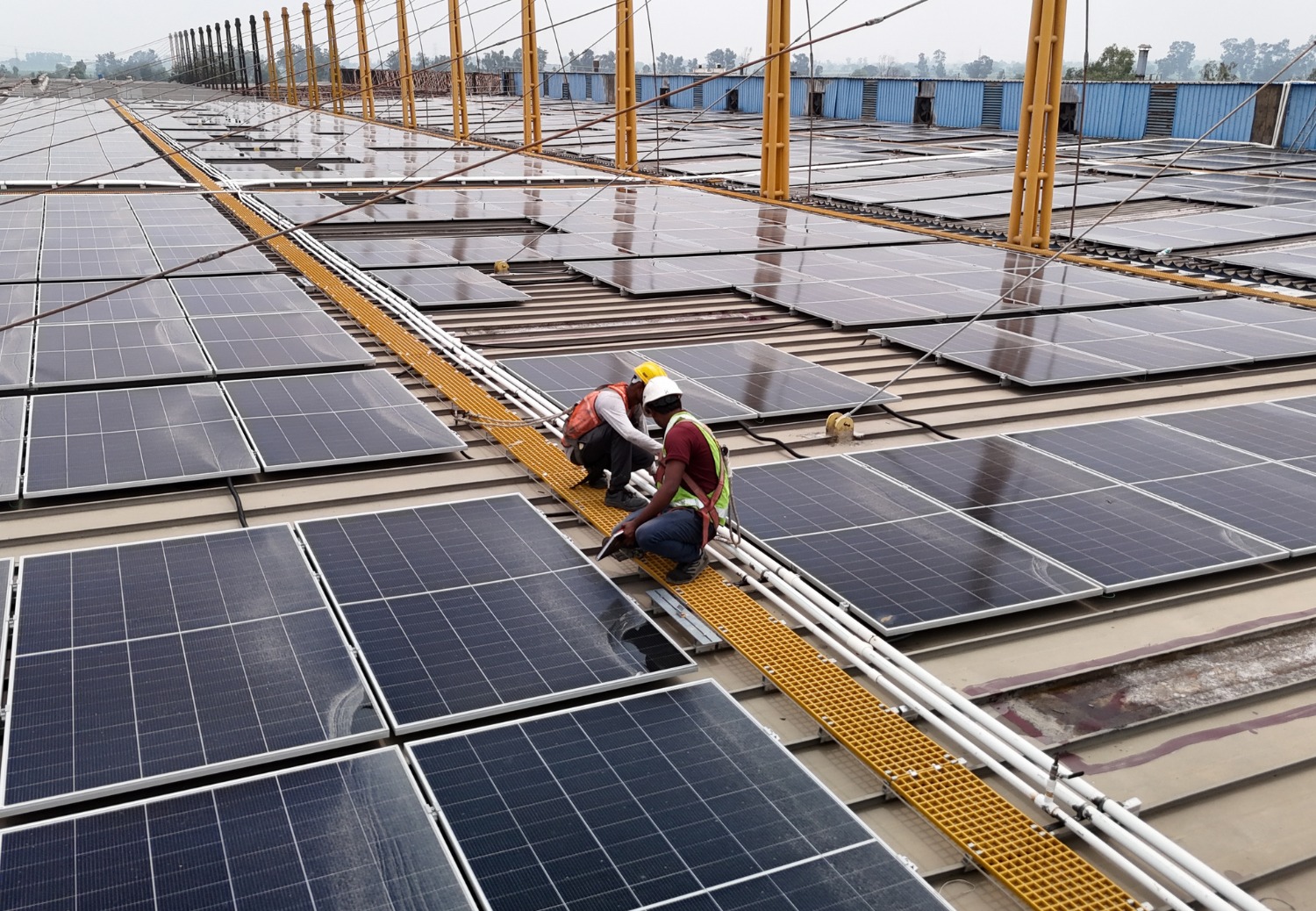
Karnataka has emerged as one of India’s leading states in solar power adoption. With abundant sunlight, supportive government policies, and rising electricity costs, businesses and homeowners are actively switching to renewable energy. However, installing a solar power plant is not just about purchasing panels. It involves detailed engineering, precise procurement, professional installation, and long-term performance management. This is where hiring expert Solar EPC Services in Karnataka becomes highly valuable.
EPC stands for Engineering, Procurement, and Construction. When you hire a complete Solar EPC service provider, you get an end-to-end solution that covers everything from project planning to final commissioning. Let’s explore the top benefits of choosing complete solar EPC services for your energy needs.
1. End-to-End Project Management
One of the biggest advantages of working with a solar EPC company is seamless project management. Instead of coordinating with multiple vendors for design, equipment supply, installation, and testing, an Solar EPC provider handles everything under one roof.
From initial site inspection and feasibility study to system design and grid connectivity, every stage is professionally managed. This reduces doubts, saves time, and ensures accountability throughout the project lifecycle.
2. Customized Solar System Design
Every property / plant / manufacturing unit has unique energy requirements, roof space availability, and structural conditions. A professional Solar EPC provider conducts a detailed assessment before designing the solar power system.
The engineering team analyzes:
- Energy consumption patterns
- Roof orientation and tilt
- Shading analysis
- Structural strength
- Local climate conditions
Based on this evaluation, they design a system that maximizes energy generation and help client to understand return on investment. This personalized approach ensures your solar system performs efficiently for years.
3. High-Quality Equipment Procurement
Procurement plays a crucial role in solar plant performance. Experienced Solar EPC company source high-quality solar panels, inverters, mounting structures, and cables from trusted manufacturers.
When you hire Solar EPC Services in Karnataka, you benefit from:
- Tier-1 solar modules
- Advanced inverter technology
- Durable mounting systems
- Certified electrical components
Bulk procurement and industry partnerships often allow Solar EPC companies to offer competitive pricing without compromising on quality.
4. Professional Installation & Safety Compliance
Solar installation requires technical expertise and strict adherence to safety standards. Improper installation can reduce system efficiency and increase maintenance costs.
A professional Solar EPC company ensures:
- Proper mounting and alignment of panels
- Safe electrical wiring and earthing
- Compliance with local regulations
- Grid synchronization approvals
This ensures smooth commissioning and minimizes future risks. Reliable companies like Roofsol Solar Energy focus on precision installation to deliver long-lasting performance.
5. Faster Project Execution
Time is money, especially for commercial and industrial projects. Solar EPC companies follow structured timelines and proven methodologies to complete projects efficiently.
Since all stages are handled by one team, there are fewer delays and better coordination. This means your solar plant becomes operational sooner, allowing you to start saving on electricity bills immediately.
6. Cost Efficiency & Better ROI
Although solar installation requires initial investment, a well-executed project offers excellent long-term returns. Solar EPC providers optimize system design to ensure maximum output at minimal cost.
Benefits include:
- Reduced electricity bills
- Protection from rising tariff rates
- Accelerated depreciation benefits for businesses
- Net metering advantages
With proper planning and quality installation, your solar system can generate savings for 25 years or more.
7. Assistance with Approvals & Subsidies
Solar projects require multiple approvals such as DISCOM permissions, net metering applications, and sometimes subsidy documentation. Managing this paperwork can be complex and time-consuming.
An experienced Solar EPC company guides you through the entire process, ensuring all legal and regulatory requirements are fulfilled. This reduces stress and prevents unnecessary delays.
8. Long-Term Maintenance & Support
Solar systems are low-maintenance but still require periodic inspection and cleaning to maintain efficiency. Most Solar EPC providers offer operation and maintenance (O&M) services.
These services include:
- Performance monitoring
- Preventive maintenance
- Fault detection
- Cleaning schedules
- Warranty support
Choosing a reliable provider like Roofsol Solar Energy, which ensures your solar investment remains productive for decades.
9. Single Point of Responsibility
One of the most significant benefits of complete Solar EPC services is accountability. Since the same company designs, supplies, and installs the system, there is no confusion about responsibility if an issue arises.
This single-point accountability simplifies communication and ensures faster problem resolution.
10. Sustainable & Eco-Friendly Impact
Switching to solar energy significantly reduces your carbon footprint. By investing in solar power, you contribute to cleaner air, reduced greenhouse gas emissions, and sustainable development.
Karnataka’s climate makes it ideal for solar energy generation. A properly designed and installed system can produce substantial green energy year-round, supporting environmental conservation goals.
11. Scalable Solutions for Future Growth
Businesses often expand operations over time, leading to increased energy demand. A well-planned Solar EPC solution allows future scalability.
Your system can be upgraded or expanded as needed, ensuring long-term adaptability without major redesigns.
12. Improved Property Value & Brand Image
Installing solar panels enhances property value and strengthens brand reputation. Businesses using renewable energy demonstrate environmental responsibility, which appeals to modern customers and investors.
Solar adoption reflects innovation, sustainability, and forward-thinking leadership.
Final Note
Investing in solar power is a strategic decision that offers financial savings, energy independence, and environmental benefits. However, the success of your solar project largely depends on professional execution. Hiring expert Solar EPC Services in Karnataka ensures your project is efficiently designed, safely installed, and optimally managed.
From engineering and procurement to construction and maintenance, complete Solar EPC services provide a hassle-free experience. With trusted providers like Roofsol Solar Energy, you gain access to technical expertise, quality components, and long-term support that maximize your return on investment.
As Karnataka continues to lead in renewable energy adoption, now is the perfect time to switch to solar. Choose the right Solar EPC partner and power your future with clean, reliable, and cost-effective energy.





 10 October, 2025